Why Choose HearClear?
Professional Ear Wax Removal in the Comfort of Your Home
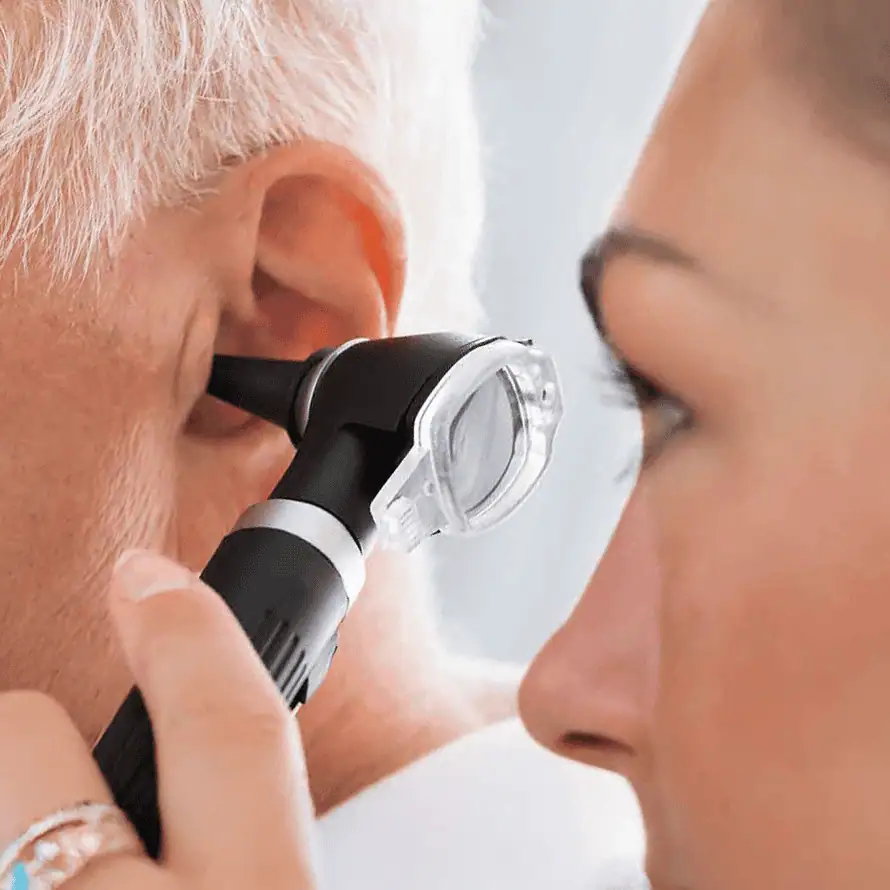
Microsuction
A dry, pain-free procedure that removes wax using a small suction device. This is the preferred method for wax that is only in the first part of the ear and is recommended for clients who cannot have irrigation.
Best for:
- Those with a history of ear infections and perforated eardrums (must be fully healed).
- Clients with sensitive ears or narrow ear canals
- Those who are not suitable candidates for ear irrigation.
Price From £50
Ear Irrigation
A safe and effective method that uses a stream of gently pulsating warm water to flush out ear wax. This technique is ideal for soft wax build-up and is a modern alternative to traditional syringing.
Best for:
- Clients with excessive wax build-up that is not too deep or impacted.
- Those who prefer a gentle water-based method
- Individuals without a history of ear infections or perforations
Price From £50
Manual
A precise, hands-on method that involves the use of specialist tools to gently remove compacted or impacted earwax. This method does not use water or suction, making it ideal for certain conditions where other techniques may not be suitable.
Best for:
- Clients with impacted wax that cannot be removed with microsuction or irrigation
- Those who prefer a manual, controlled approach
- Patients with deep-set wax blockages
Price From £50
Consultation
Not all blocked ears require wax removal. If an examination shows no significant wax build-up, I provide professional advice on managing ear health, safe cleaning practices, and wax prevention to help maintain clear and healthy ears.
Includes:
- A full ear examination
- Personalised recommendations for ear care
- Advice on safe wax prevention and the use of ear drops
Price From £20
If you have a lot of earwax, you may experience several symptoms and potential complications:
Ear wax, or cerumen, is a natural substance produced by glands in your ear canal. It serves to trap dirt, dust, and foreign bodies, protecting your eardrum. While ear wax typically migrates out of the ear naturally, sometimes it can build up and cause issues.
Muffled hearing or temporary hearing loss
Tinnitus (ringing or buzzing in the ear)
Ear discomfort or pain
Feeling of fullness in the ear
Itchiness in or around the ear
Dizziness
Odour or discharge from the ear
If you experience these symptoms, it may be time to consider professional ear wax removal.
Potential Complications from Earwax Build Up
- Ear infections: Untreated earwax buildup can increase the risk of ear infections.
- Impaction: If left unaddressed, excessive earwax can become impacted, leading to more severe symptoms.
- Coughing: In rare cases, impacted earwax can trigger a coughing reflex.
- Impact on hearing aids: If you use hearing aids, excessive earwax can interfere with their function and may require servicing.
What to Expect
Consultation and Examination
- Before any treatment, I begin with a thorough examination of your ears. This includes checking for signs of infection or inflammation and assessing the type and amount of ear wax.
- If no significant wax build-up is found, I’ll provide professional guidance on prevention and proper ear care.
Gentle Removal Process
- Depending on your needs, I use either micro-suction or warm water irrigation (or a combination) to remove stubborn wax.
- Throughout the procedure, I’ll explain each step clearly, ensuring you’re at ease.
Instant Relief
- Many clients experience an immediate improvement in hearing and a sense of clarity once the wax is removed.
Before Your Appointment
Apply Ear Drops (If Required)
- For best results, apply olive oil or over-the-counter ear drops for three days prior to your appointment.
- This softens the wax, making the removal process quicker and more comfortable.
Share Your Medical History
- Let me know if you’ve recently had an ear infection, surgery, or any ongoing ear issues.
- I can then tailor the treatment to suit your specific circumstances.
Aftercare and Ear Health Tips
Protect Your Ears
- Keep your ears dry for at least 3 days following a procedure—use ear plugs in the shower if necessary.
- If you swim, consider waiting about a week or use watertight ear plugs.
Avoid Cotton Buds
- Using cotton buds can push wax deeper into the ear canal and cause irritation.
Routine Check-ups
- Regular ear examinations can help prevent the build-up of excessive wax and spot any issues early on.
Why Trust Hear Clear?
- Over 40 Years of Nursing Experience
Years of NHS service have given me the expertise to handle ear care with confidence and compassion. - Personalised, Patient-Focused Service
From the initial consultation to post-treatment follow-up, I focus on building trust and keeping you informed. - Mobile Visits Within Grantham and Beyond
I come to you, saving you time and avoiding travel stresses. - Clear Pricing and No Hidden Fees
All costs are explained upfront, including any surcharges for visits outside Grantham.
Who Can Benefit?
- Anyone Experiencing Blocked Ears: Sudden or gradual hearing loss due to wax build-up.
- Hearing Aid Wearers: Regular wax removal can improve the effectiveness of hearing aids.
- People with Past Ear Problems: Those who have had ear infections or minor surgeries may need gentler, professional removal methods.
FAQ
1. How do I know if I need ear wax removal?
If you’re experiencing muffled hearing, a plugged sensation, ringing in the ears, or discomfort, these could be signs of excessive ear wax. A quick assessment can confirm if professional removal is needed.
2. Which method is right for me—microsuction or irrigation?
Microsuction
✔ Best for wax located in the first half of the ear canal
✔ Uses a gentle suction technique for precise removal
✔ Completely pain-free and mess-free
Warm Water Irrigation
✔ Used when wax is located deeper in the ear canal
✔ A controlled, gentle water jet flushes out softened wax
✔ Recommended when microsuction isn’t suitable
Manual Removal
✔ Employed if the wax is impacted and cannot be suctioned or irrigated
✔ Uses special sterile tools to carefully extract the blockage
✔ Ideal for sensitive ears and deep-set wax
3. Is ear wax removal painful?
Most clients find it to be a gentle, comfortable process. You may feel slight pressure, but significant pain is uncommon. If you have concerns, share them beforehand so we can adjust accordingly.
4. Do you offer home visits outside of Grantham?
Yes. We serve Grantham and the surrounding villages. A small surcharge may apply if you are within a 5 mile radius. Please share your location when booking so we can confirm availability and any additional fees.
5. How do I prepare for my appointment?
If possible, apply a few drops of olive oil or ear drops for a few days prior to your visit. This softens the wax, making removal quicker and more comfortable.
6. What if you find no significant wax build-up during the visit?
If a thorough check shows that wax removal isn’t needed, we’ll provide professional ear care advice instead. A minimal consultation fee may apply in that case.
7. How do I book an appointment?
Simply fill out our contact form or give us a call. We’ll arrange a convenient time to visit you at home, discuss any questions you have, and provide a clear cost upfront.
8. Are there any aftercare instructions?
We generally recommend keeping your ears dry for a few days post-treatment—avoid swimming or use waterproof earplugs. We’ll also guide you on preventing future wax build-up.
Cancellation Policy
At HearClear, we understand that plans can change. However, due to the nature of our appointments, we require at least 24 hours’ notice for cancellations or rescheduling.
- Cancellations made within 24 hours of the appointment will incur a £20 cancellation fee.
- If you need to reschedule, please do so as soon as possible to avoid any charges.